Things to Do in Hanovre
Half-timbered beer halls, baroque gardens, and Europe's most underrated Messe party district
Top Things to Do in Hanovre
Find activities and tours you'll actually want to do. Book through our partners -- no booking fees.


Plan Your Trip
Essential guides for timing and budgeting
Climate Guide
Best times to visit based on weather and events
View guide →Day Trips
The best excursions and nearby destinations worth the journey
Explore day trips →Where to Stay
Best neighbourhoods, hotel picks, and booking tips
Find hotels →Travel Insurance
What's required, what coverage matters, and how to get a quote
Read guide →What to Pack
Climate-specific gear, essentials, and what to leave at home
See packing list →When Should You Visit Hanovre?
Tap a month for weather, crowds, and highlights
View full year-round climate guide →Road Trips from Hanovre
Explore scenic driving routes and epic journeys

Your Guide to Hanovre
About Hanovre
Hanover wakes early. Pretzel scent drifts from Kröpcke bakery while commuters grip paper cups and wait for rattling red U-Bahn trains. The Leine slides past red-brick New Town Hall. Its glass elevator climbs 100 meters for a budget-friendly price. The view is gold. Crooked medieval lanes suddenly meet rigid Georgengarten grids.
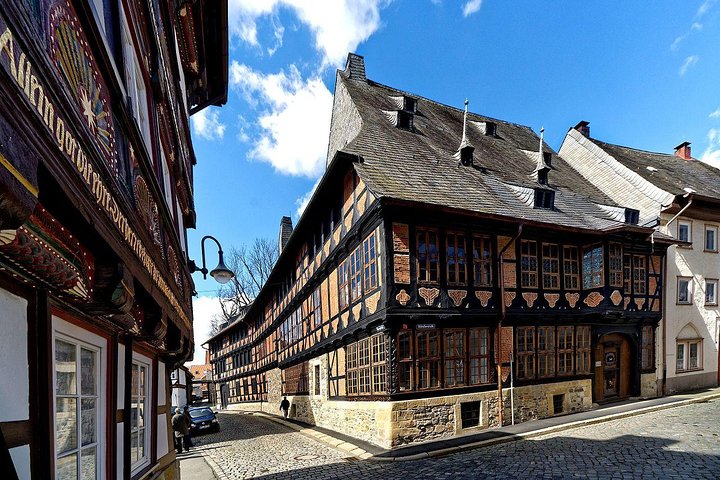
Herrenhausen gardens keep baroque topiary in perfect 300-year-old lines. The city rebuilt twice. First after 1943's firestorm, again after Expo 2000. The result feels surreal. Half-timbered houses on Kramerstraße stand beside glass-and-steel Nord LB bank. Beer gardens serve half-liters of local Herrenhäuser under chestnut trees that dodged bombs.
It costs less than coffee back home. Most visitors arrive for CeBIT or Hannover Messe. Hotel prices rocket in March and April. Business hotels sit half-empty in summer. Locals seize Maschsee for swimming. Linden district bars pour IPAs brewed two blocks away. You will leave wondering. Saturday flea market at old Expo grounds sells DDR cameras and vintage lederhosen for pocket change. The best döner in Germany waits outside the opera house. Turkish-run. Memorable.
Travel Tips
Transportation: Grab the Hanover Card at the airport machine. Flat rate covers U-Bahn, S-Bahn, buses, plus discounts at big sights. Red U-Bahn lines run every 5 minutes until 1 AM. Download the GVH app for single-stop tickets. Skip the taxi line. S-Bahn reaches Hauptbahnhof in 18 minutes for coffee money. Avoid flat-rate cab scams that target conference crowds.
Money: Hanover loves cash. Small bakeries and old beer halls often refuse cards under typical amounts. Geldautomats sit on every corner. Major banks charge mid-range fees for foreign cards. Rewe supermarket ATMs are cheapest. They let you pull large sums at once. Tip in restaurants. Round up to the nearest euro at bars.
Cultural Respect: Stay out of bike lanes. Cyclists rule and will shout across Hanover. In beer gardens, seat yourself. Watch for Stammtisch signs. Those tables belong to regulars since the 1980s. Germans queue for everything. Even U-Bahn doors. No cutting. Sunday quiet starts at 10 PM. Keep voices low in Linden. Lister Meile parties until midnight.
Food Safety: Skip the wurst stands outside Hauptbahnhof. Pork sits in steam trays since dawn. Walk 5 minutes to Wurst on Georgstraße. Currywurst is made fresh. Tap water is pristine. Hanover sits on giant underground lakes. Restaurants still charge for it. Order Apfelschorle instead. Saturday markets at Markthalle take cards. Linden Turkish markets are cash-only. Vegetables cost half supermarket price.
When to Visit
Hanover changes with the seasons. May through September brings 18-22°C days. Cycle 40 kilometers of bike paths around Maschsee. Hotel prices fall after conference season. July hits 25°C. Beer gardens overflow. Share tables with 20-year regulars. October cools to 12-16°C. Linden hosts its craft beer festival. November through March drops to 2-7°C.
Sleet coats cobblestones. Late August is the sweet spot. Messe crowds gone, summer still warm. March and April are conference hell. Hotel prices triple. Everything books out. 500,000 residents share streets with 250,000 business travelers. Christmas markets open mid-November at Kröpcke and Herrenhäuser Gärten. Glühwein costs mid-range.
Medieval Altstadt glows with real candles. Skip January. Gray skies. 0°C. Half the restaurants close for winter break. Flights from the US drop in October and February. Summer weekends see Germans heading to the North Sea. Hanover hotels stay open.
More Ways to Experience Hanovre
Tours, day trips, and local experiences curated by on-the-ground operators.
Didn't see anything interesting yet?
Browse Viator's full catalog of tours, day trips, food experiences, and private guides in Hanovre.
See All Hanovre Tours on Viator